
Inside SmartNews
Give to Gain: Ambition Alone may not be enough. Sharing Stories and Advice Through the Tokyo Women's ERG
July 23, 2026


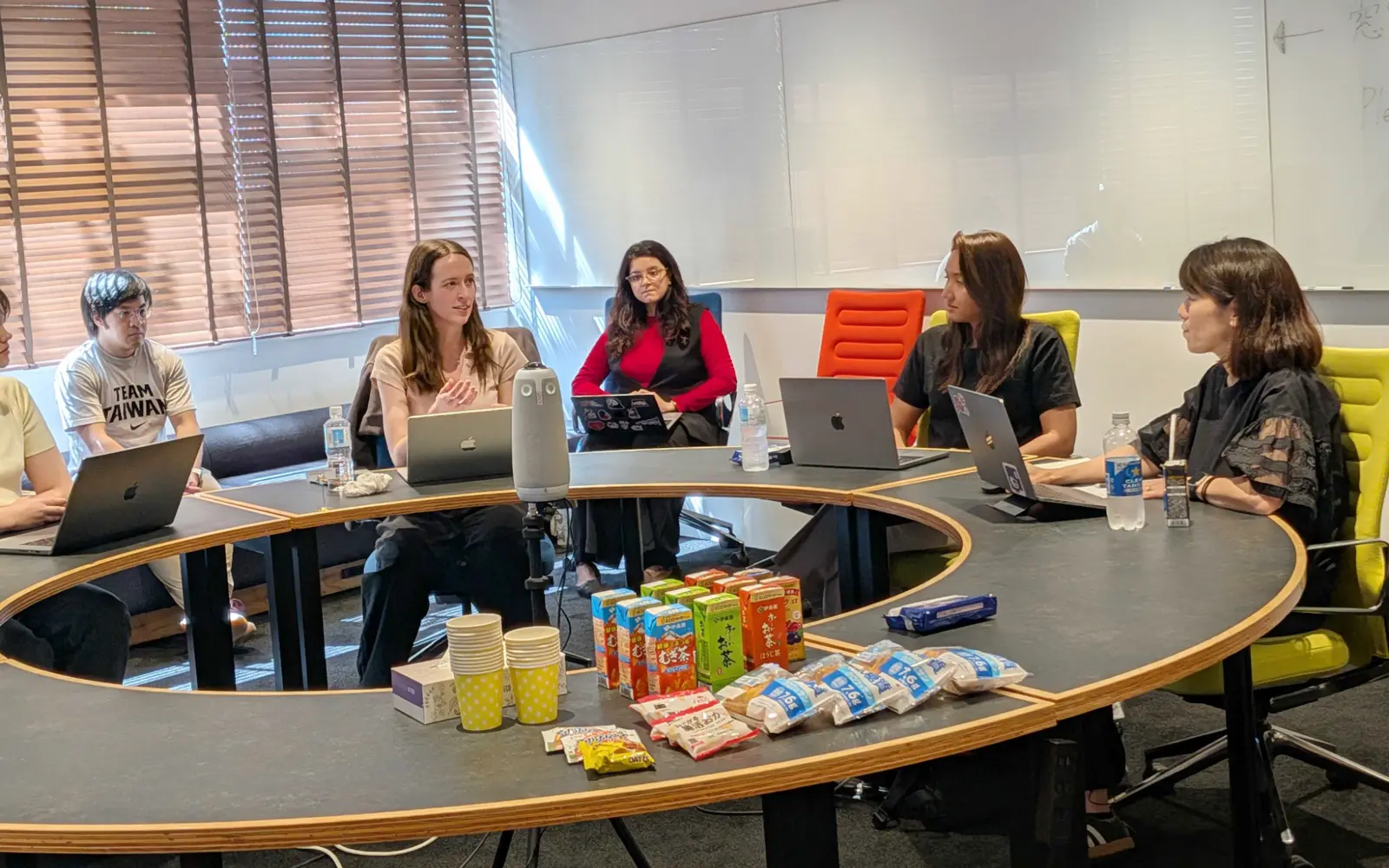
In May, the Women at SmartNews Employee Resource Group (ERG) hosted the second session of our “Give to Gain” panel series, bringing together colleagues across regions and functions for a conversation about career journeys, leadership, and navigating professional challenges as women.
The theme “Give to Gain” was inspired by International Women’s Day, and reflects the idea that by openly sharing our own experiences, questions, and lessons learned, we can create opportunities for others to feel supported, encouraged, and empowered in their own careers.
This session featured speakers from a range of backgrounds, including engineering, marketing, operations, trust and safety, and language solutions. Each speaker brought a different perspective, but a common theme emerged throughout the discussion: career growth rarely happens alone. It is shaped by the people around us, the environments we work in, and the confidence we build through experience.
How to approach the question: “Is it about skill or gender?”
The panelists spoke openly about the challenges they had faced at different points in their careers, from working in male-dominated industries to navigating imposter syndrome*, adapting to new life stages, and deciding when to take on leadership responsibilities.
* The psychological tendency to underestimate oneself—believing one lacks ability or does not deserve recognition—despite having genuine competence and being highly regarded by others.
One speaker shared how, in engineering environments where women were underrepresented, external efforts to improve gender balance could sometimes create internal doubts: “Was I chosen because of my skills, or because of my gender?” Her advice was to return to objective facts: project outcomes, demonstrated skills, and the value of one’s work. Over time, consistently delivering results can help build both credibility and self-confidence.
Another speaker reflected on the difference between equality and equity. In an early role, she was treated the same as everyone else, but the workplace structure did not always account for different needs or circumstances. This led to a broader discussion about how workplaces can move beyond simply treating everyone identically, toward creating environments where different people can succeed.
The speakers also discussed how challenges change over the course of a career. Early-career struggles may center on confidence, belonging, or finding one’s voice, while later stages may involve questions around parenthood, flexibility, management, and work-life balance.
No need for a Perfect Mentor with the “Patchwork” Approach
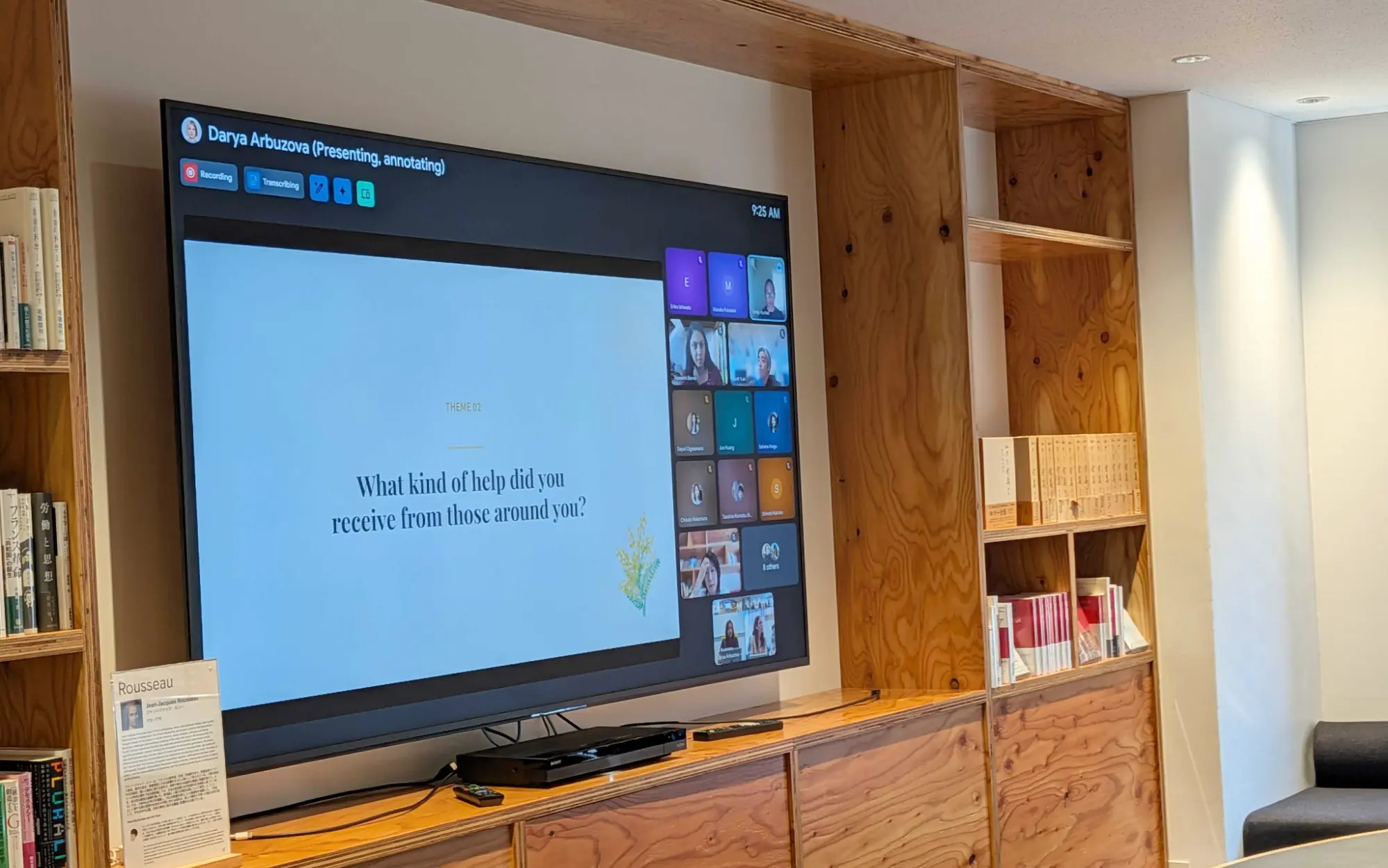
A key message from the discussion was the importance of support networks. Speakers emphasized that mentorship does not always need to come from one formal mentor or perfect role model. Instead, career guidance can come from many people: managers, peers, former colleagues, and even people observed from a distance.
One panelist described this as creating a “patchwork” of role models — learning different qualities from different people and gradually building one’s own approach to work and leadership. Another encouraged employees to be courageous in reaching out to others for one-on-one conversations, noting that many people are more willing to help than we might expect.
The panelists also highlighted how managers and teams can support growth by creating opportunities for autonomy. Being trusted to lead a project, make decisions, and learn through ownership can be a powerful source of confidence. At the same time, observing different leadership styles can help people understand the kind of leader they do — and do not — want to become.
Psychological Safety and Flexibility are Key to a workplace environment that supports growth
Another theme that stood out was the role of the workplace environment. The panelists discussed how flexibility, hybrid work, parental leave, psychological safety, and open communication can make a meaningful difference, especially for employees balancing different responsibilities or navigating major life changes.
Several speakers noted that SmartNews’ culture and team structures have supported their growth in different ways. Examples included flexible working styles, documentation practices that allow team members to support each other, and a culture where people can reach out across teams for advice.
The Women’s ERG itself was also discussed as one example of this support system: a voluntary, bottom-up community where employees can connect, exchange ideas, and have conversations that may not always happen in day-to-day work.
Continuing the conversation
The event was a reminder that career growth is not only about individual ambition. It is also about community, shared learning, and building environments where people feel able to ask questions, take ownership, and support one another.
Through the “Give to Gain” series, the Tokyo Women’s ERG hopes to continue creating spaces where employees can share openly, learn from each other, and contribute to a more inclusive and supportive workplace.