
Inside SmartNews
Why Shin Murakami Chose "SmartNews Now"
February 12, 2026


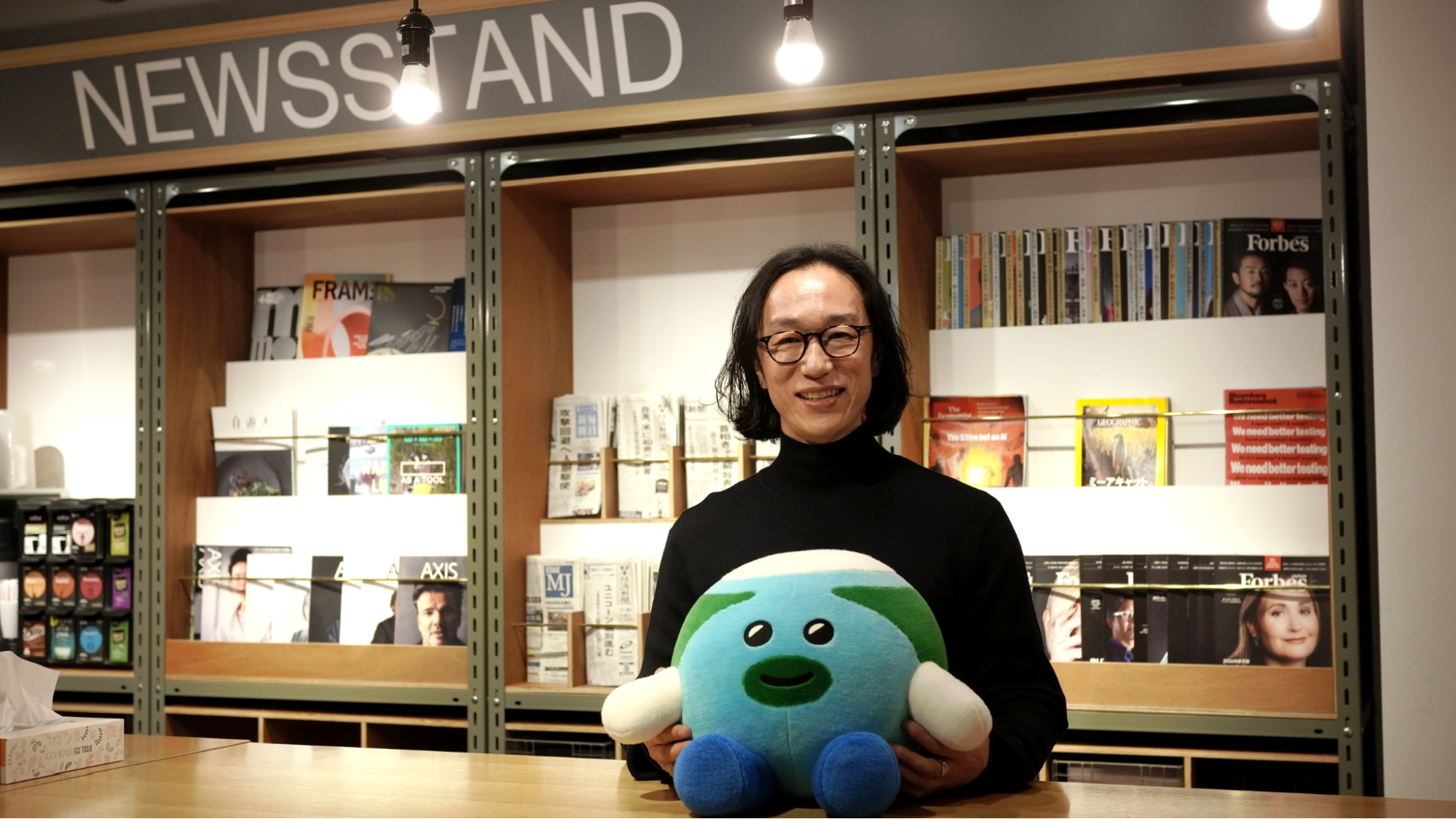
From Executive Officer & CMO at Yahoo! Japan to Japan Country Manager at LinkedIn and GM at Google, Shin Murakami (widely known as "Shin" within the company) has navigated the pinnacle of the tech industry. In November 2024, Shin chose SmartNews as the next frontier.
With countless options available, what drew Shin to "SmartNews Now"?
"Because there are things I believe only SmartNews can achieve at this moment," Shin says. We sat down with the new leader to explore the conviction behind this decision and the vision for the future of SmartNews.
*This article was originally written in Japanese and has been translated by a machine translation tool for your convenience. Please forgive any errors in translation. You can find the original Japanese article [here].
Why Shin Chose SmartNews
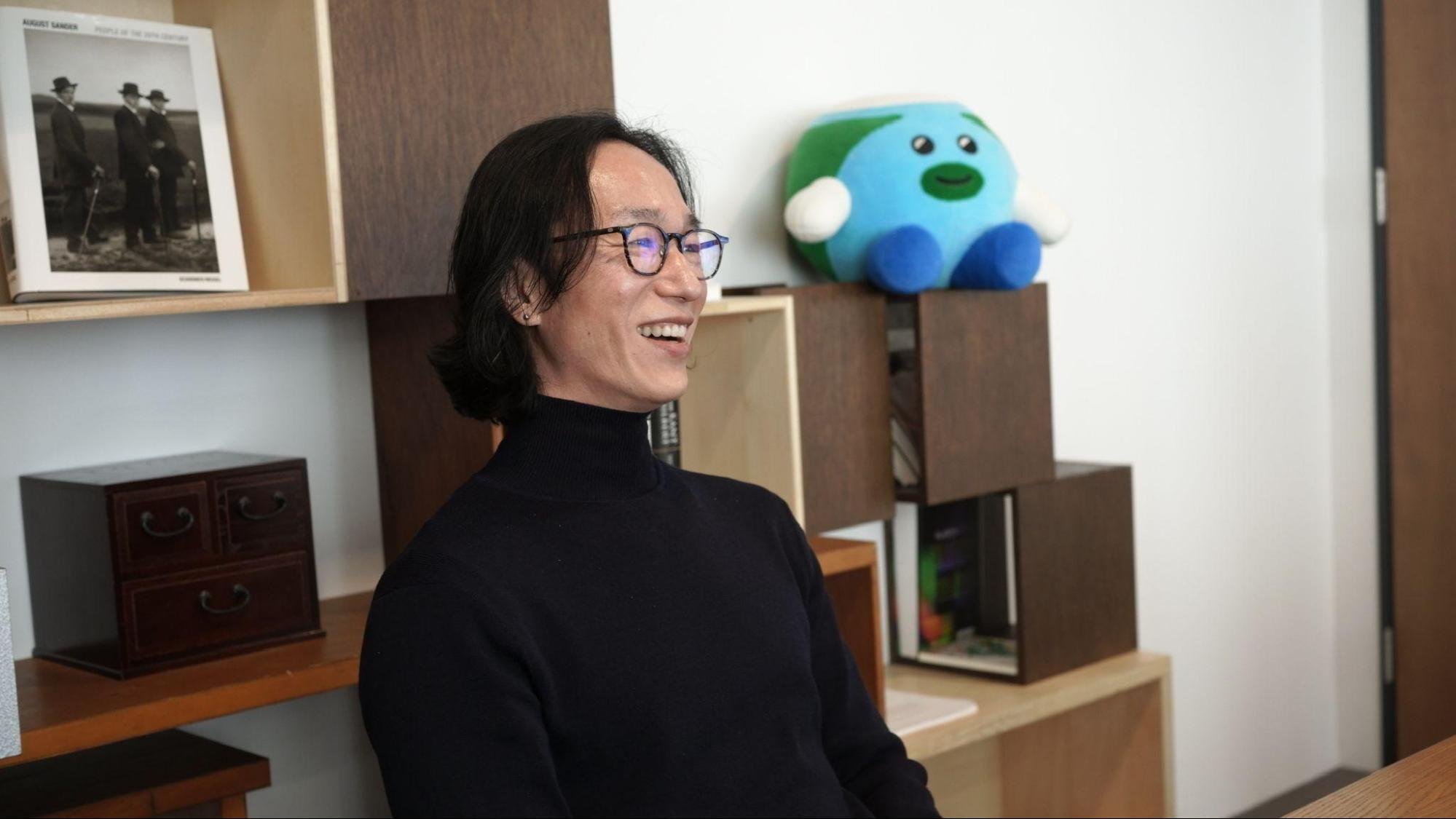
— What were you focused on around the time you joined in November 2024?
Most recently, I was the General Manager at Google, leading the Search product team in Japan.
— You’ve known SmartNews since its founding. What finally led to the decision to join?
It’s a long story, but my connection with SmartNews goes back to the beginning. Back when I was at Yahoo! Japan as CMO, I was obsessed with mobile app development. While we were trial-and-erroring Yahoo! News for mobile, the news aggregation boom hit. As the head of mobile, I studied the SmartNews app relentlessly.
Over the years, I stayed in touch with Ken Suzuki (Co-founder & Chairman) and Kaisei Hamamoto (Co-founder & CEO). Whether at LinkedIn or Google, I’d often visit the SmartNews office. Whenever Silicon Valley key players visited Japan and wanted to meet "technical, English-speaking local startups," SmartNews was always my top recommendation. Kaisei was always generous in hosting those discussions.
The first formal approach came during my LinkedIn days. Ken and I had serious discussions about working together to make SmartNews better. However, Google also offered me a role to revitalize search in Japan. It was a tough choice, but I chose Google then.
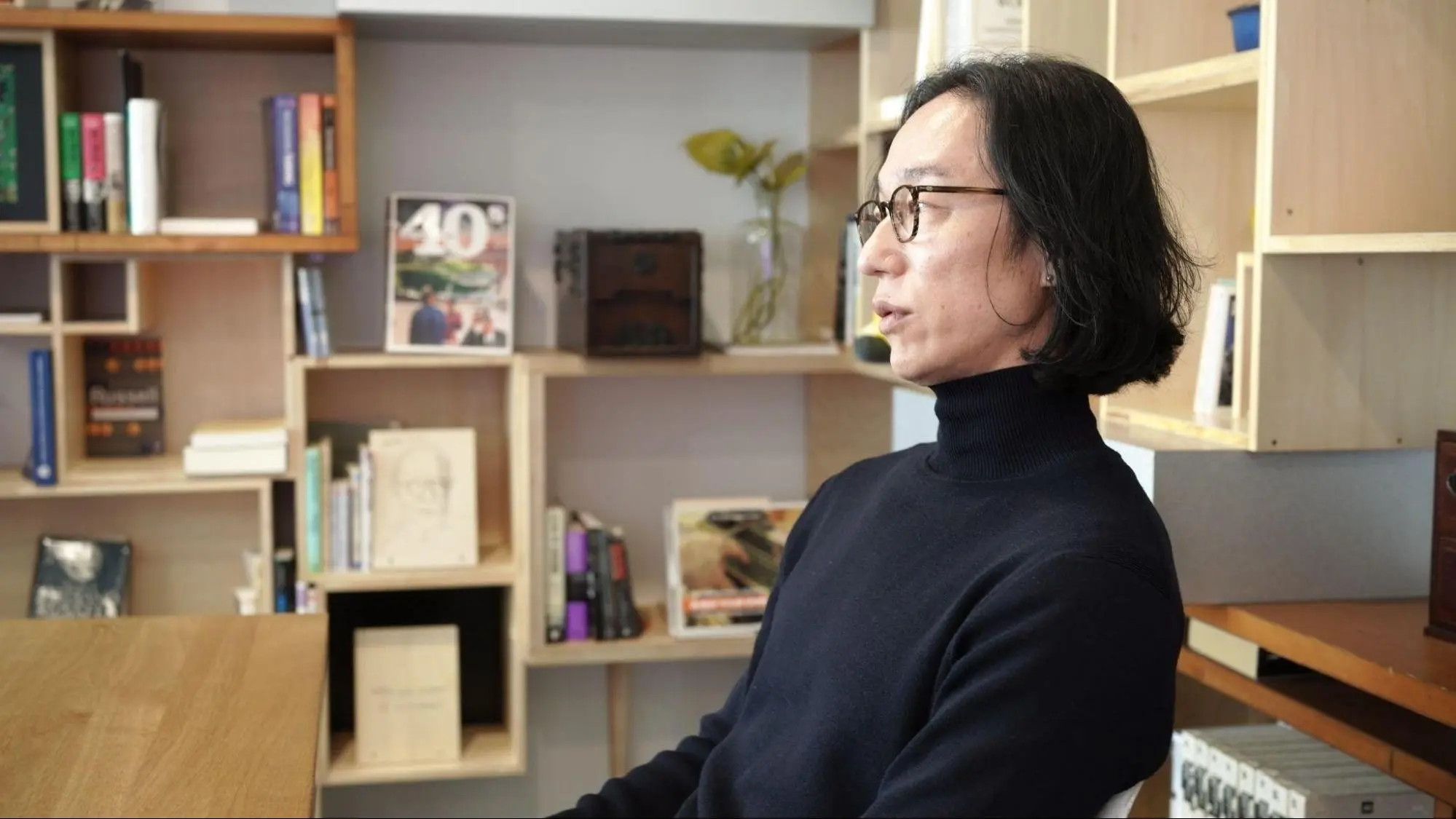
— What was your mission at Google?
It was a whirlwind. Right after joining, I managed a global reorganization, and then ChatGPT launched. The whole company shifted to high alert to build Bard (now Gemini). Localizing Bard and developing SGE (AI Overviews) for Japan was incredibly rewarding.
However, I found that only about 30% of my energy went toward the mission, while 70% was spent on internal coordination. Once the product was out, there was a sense of "completion." Around that time, Kaisei and Ken reached out. They told me, "Under a new leadership structure, we’re starting our next phase. Let’s talk." Their vision and awareness of the challenges resonated with me deeply. The timing was perfect.
Why SmartNews? Bringing "High-Context" AI to the World
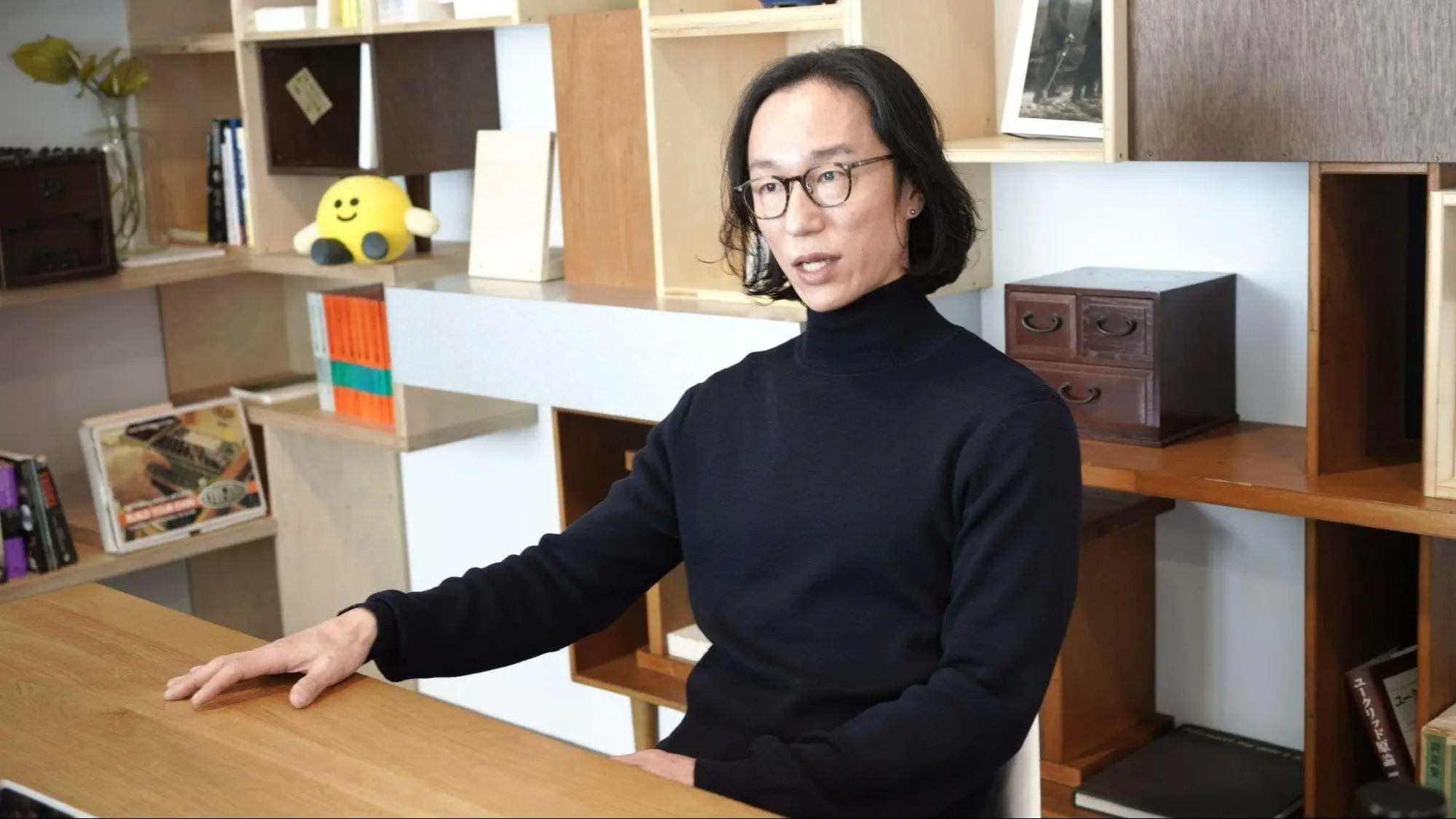
— Why SmartNews over all the other options?
Because I feel that at SmartNews, I can finally achieve what I’ve wanted to do for years but couldn't elsewhere.
— Could you elaborate on that?
Western culture is "low-context"—everything is verbalized. Consequently, tools like Google Search are designed for users who can actively verbalize their needs. It’s a simple box in the center of the screen.
In contrast, Japan is a "high-context" culture. We are used to reading between the lines. Experience often starts passively—like a chef saying, "Here is today's recommendation." That’s why many Japanese users froze when they first saw Google’s empty search box (laughs). And it’s why portal sites like Yahoo! JAPAN remain so popular here, while they’ve nearly vanished in the West.
The turning point was ChatGPT. Japan has the third-highest traffic for ChatGPT globally. I believe this is because the "dialogue" process helps clarify vague thoughts—it accepts ambiguity. I want to provide a new experience through a product that truly fits this cultural nuance. That is something I believe SmartNews can do.
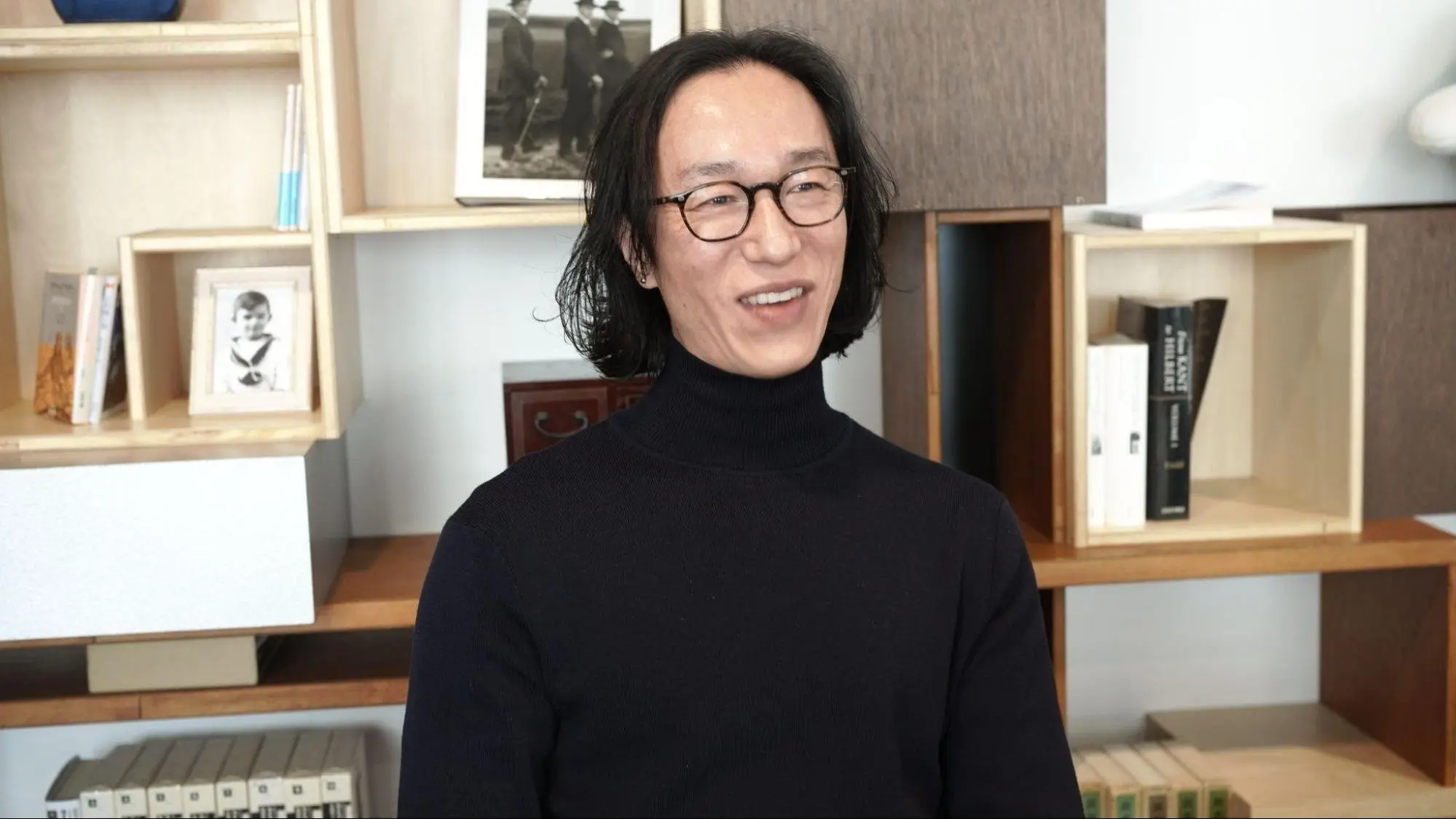
— You’ve mentioned the value of "leveraging a company’s assets." What do you see as SmartNews's greatest asset?
Being a truly global company. Winning in global markets, not just Japan, creates a much larger impact.
This "passive information discovery" isn't just a Japanese trait; it’s a human one. In an era of information overload and bias, delivering quality information effectively can spark innate human curiosity. Curiosity has no borders.
Look at TikTok — it’s the ultimate passive discovery tool, and it has conquered the world. If SmartNews, as a "Global One Product," can build bridges for high-quality journalism in a trend-aligned format, we can win in both Japan and the US. This is how we address the global issue of fake news.
The Future of SmartNews Talent: "Vibe Coding" and Speed
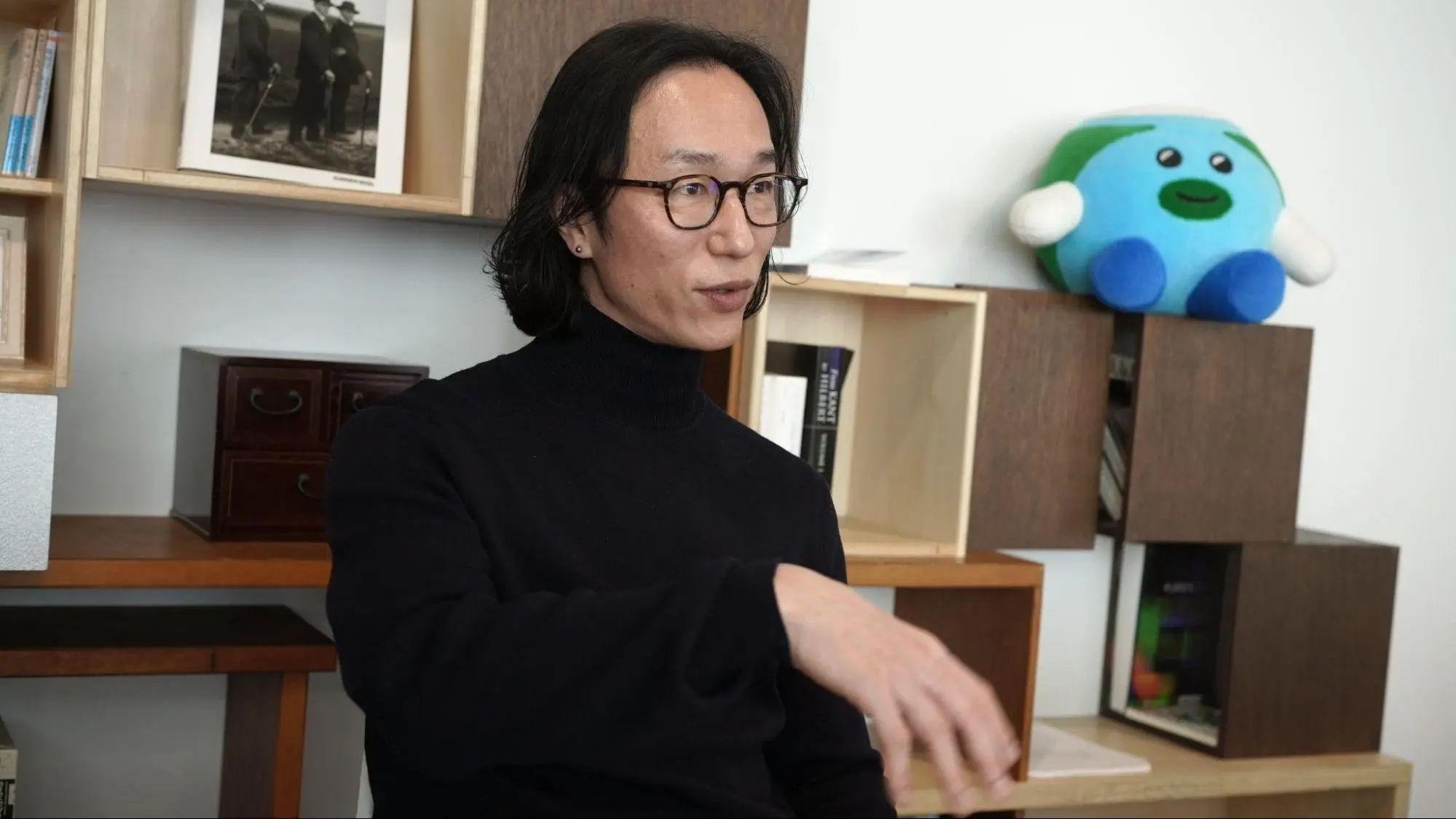
— How do you feel about the organization since joining?
Honestly, every major tech company—Google, Amazon, you name it—has gone through "growing pains" recently. We’ve all learned the same lessons.
SmartNews today feels like a "lean and muscular" organization. We are becoming a "Global One Team." Having leadership that understands both JP and US markets makes a huge difference. It’s rare for a Japan-born startup to be this diverse in talent and language.
— What kind of talent will thrive in the "new" SmartNews?
People who can embrace "Vibe Coding"—PMs, designers, and engineers alike. My PM team is already fostering a culture where they use Generative AI to build prototypes in hours, not weeks. The value has shifted from "the moment an idea is born" to "how fast it can be shaped." Speed is the ultimate differentiator.
A Prime Example of Our Culture in Action: Recently, a new graduate in their third year, who was previously in a completely different role, began to stand out after honing their skills in "#koichi-juku" (an internal study group). This individual demonstrated such remarkable growth and potential that, as of January, they have been working directly under me as a dedicated Prototyper. It will be incredibly exciting to see this person grow into a full-fledged PM. This is the kind of dynamic environment we are building.
— Thank you. Could you tell us about your most recent focus?
I can't reveal too much yet, but as the market environment continues to shift, SmartNews is also undergoing a "renovation." One example is our "SmartNews AI Summary" feature, which condenses articles into three key points for easy consumption.
However, our goal isn't just about saving time. We want to deliver experiences that spark curiosity. I’m quite hyperactive myself, so I want to provide that kind of joy—the thrill of discovery—to our users.
— Lastly, what does "quality information" mean to you?
It must be "accurate," "verifiable," and "possess the strength to withstand criticism." From another perspective, everything necessary for life is equally "information"—the sound of rain, the warmth of sunlight. When you think of it that way, the information currently delivered by SmartNews is only a tiny fraction of what’s possible.
As a consumer, I’m the type who wants all necessary information brought to me, but honestly, I don't want to use a smartphone anymore (laughs). We are approaching a world where AI delivers information through "something other than a smartphone," and SmartNews must adjust to that. Since one of our core strengths is our personalization engine, we should be able to evolve regardless of the device's form factor.
— It sounds incredibly exciting to work at SmartNews right now.
It truly is a fascinating time to be here.
Also, in a startup of a few hundred people, you don't usually get many chances to talk to the Founder/CEO. But at our office, Kaisei is often just working at a counter nearby. I take that as a signal that it’s perfectly fine to go up and talk to him, so please, feel free to say hi! (laughs)