
Inside SmartNews
From the Lab to Consulting, and Now Head of Japan Ad Business: Turning Vulnerability into Strength
April 21, 2026


This article was originally written in Japanese and has been translated into English for our global audience. You can find the original Japanese article [here].
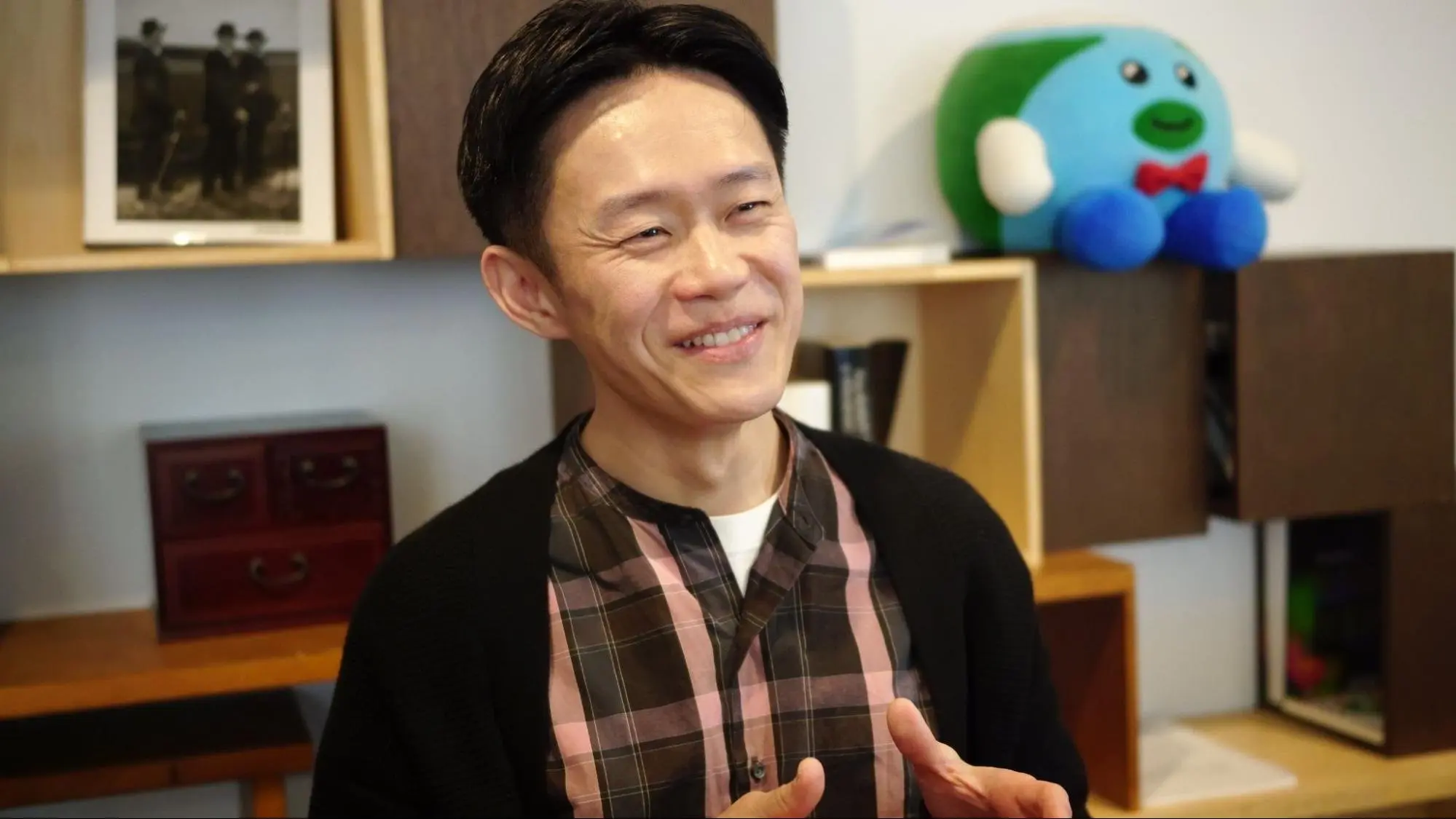
Taku Nishide leads the advertising business in Japan for SmartNews. His career began in an unconventional place: a biotechnology venture, following his studies in genetic engineering at Kyoto University’s Graduate School of Biostudies. Later, he transitioned to the consulting industry, leading business transformations at firms including Boston Consulting Group (BCG).
While it may appear to be a seamless elite career path, the reality involved facing his own vulnerabilities and engaging in the "unglamorous" work of corporate turnarounds during financial crises.
Why did he leave the laboratory for the business world, and what kind of "enthusiasm" is he looking to bring to SmartNews today? We explore his career story and philosophy on work.
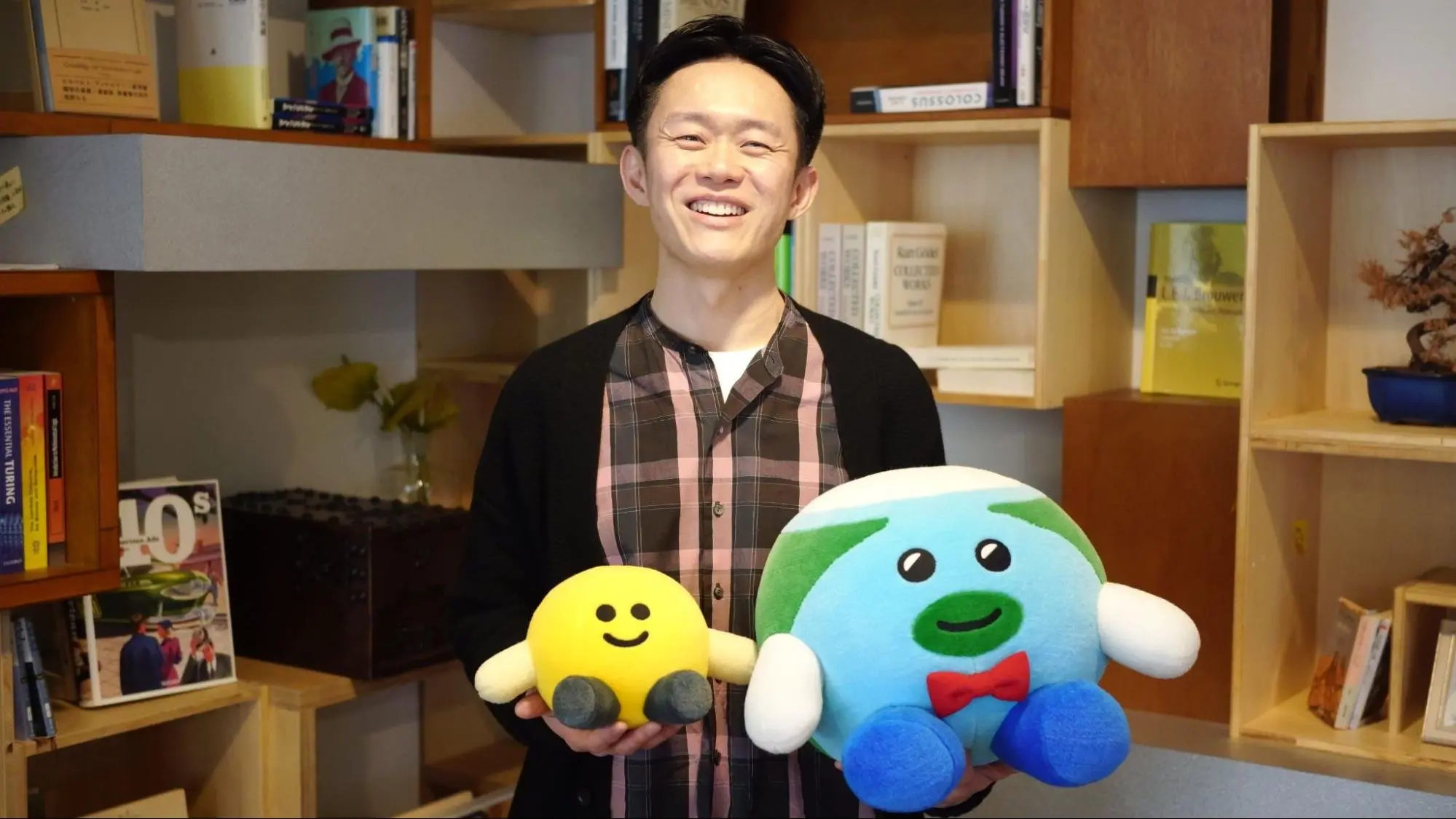
Taku Nishide | Vice President of Japan Ad Business and CEO's Office
Taku graduated from Kyoto University’s Graduate School of Biostudies. After working as a researcher at a biotech venture, he joined Japanese and US consulting firms, followed by Boston Consulting Group (BCG), where he led corporate transformation projects as a Principal. He joined SmartNews in July 2022, where he spearheaded the business alliance with NTT DOCOMO (including the launch of SmartNews for docomo) and served as Head of Strategy for the Japan Ad Business, overseeing sales and product strategies. He has served in his current role since June 2025.
The Early Career: From the Laboratory to Business
― Thank you for being with us today. To start, could you walk us through your career leading up to SmartNews?
Certainly. I studied science in both university and graduate school. I was in an environment where it was standard for about 80% of students to pursue research roles.
― So, it was assumed you would follow that same path?
Yes. Following that pattern, I went to graduate school and had a very narrow view of my future. I vaguely assumed I’d end up as a researcher at a pharmaceutical or food company. However, my job hunt coincided with the end of Japan’s "employment ice age," which was a very difficult time.
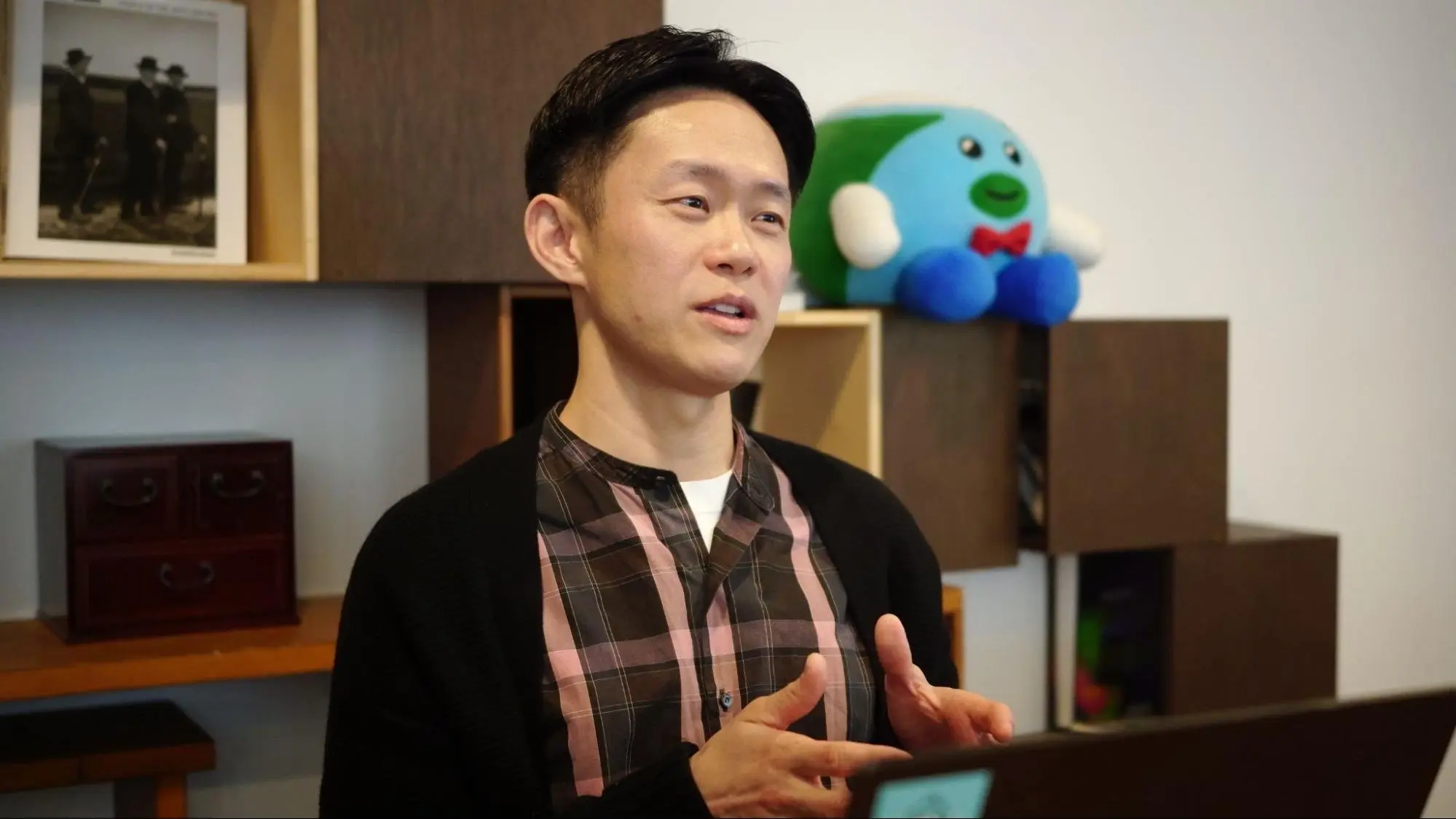
I didn't get offers from any major firms (laughs). My career began as a researcher at a biotech venture where I had a connection. For the first three years, I was effectively confined to the laboratory, focused entirely on experiments.
― That sounds like the polar opposite of your current environment.
It really is. People who know me now are often surprised. But starting in my second year, something triggered a shift in my thinking. I was assigned to a specific laboratory where the work—despite being a corporate role—was essentially academic research for the sake of publishing papers. It felt like I was back in a doctoral program. I began to feel a disconnect, thinking, "Maybe this isn't where I'm meant to be."
― You felt a gap between your aspirations and reality?
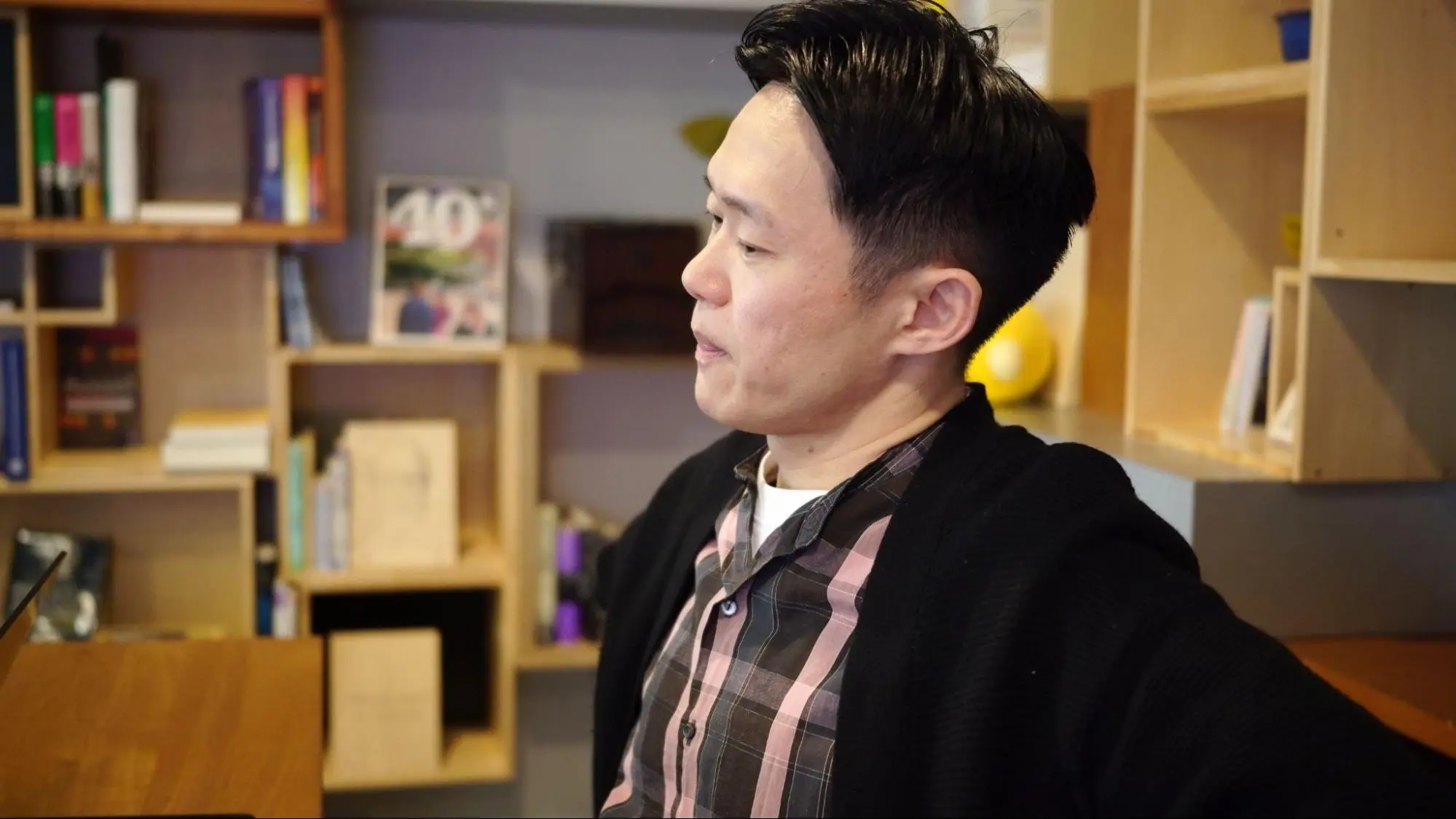
Yes. I wanted to feel the direct impact of contributing to a business, and I couldn't find that meaning in pure research. On top of that, I had a major complex at the time: I was terrible at speaking with people and hated being in the spotlight. As a student, I was convinced I could never do a job like "sales."
But looking back, that fear was actually a reflection of my underlying desire to be able to do those very things.
― So, your complex was actually a form of hidden admiration?
Exactly. Driven partly by a desire to overcome that complex, I tried various things, like attending communication seminars. Once I gained a bit of confidence, I decided to leave research behind and pivot my career entirely.
That’s when I discovered the world of consulting. A job built on communication and intellectual strategy to solve corporate issues... I simply thought, "That is so cool." With that pure motivation, I knocked on the door of NTT Data Institute of Management Consulting. I was about 27 at the time.
Learning to Face "People" by Rebuilding Companies on the Brink
― After transitioning into consulting, what kind of projects did you lead?
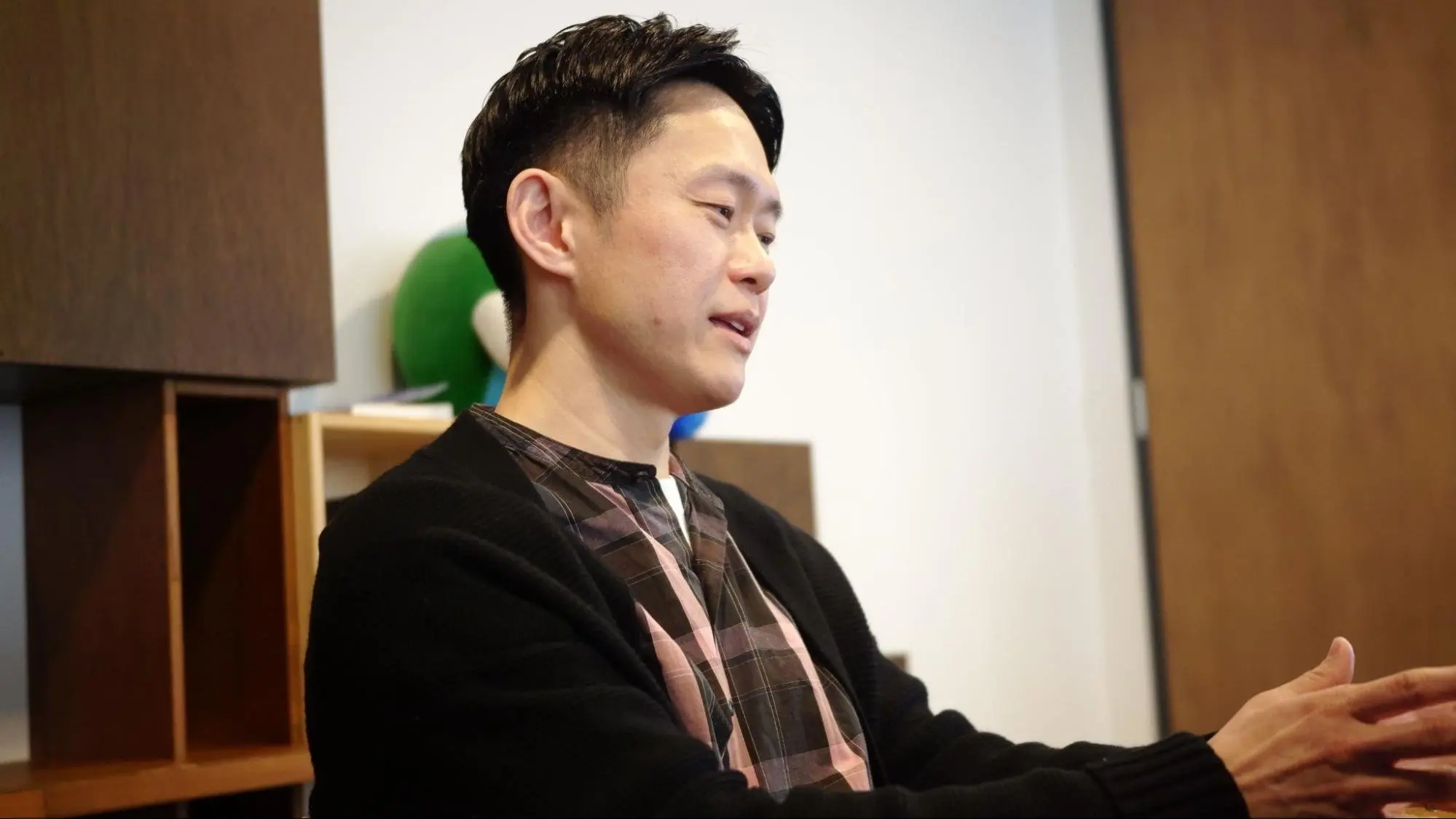
At NTT Data, given my science background, I was assigned to a new department focused on "brain science" consulting, which was a trending topic then. Since it was a new division with zero clients, I was thrown into the deep end—writing proposals and doing sales from my very first year. I worked frantically for about four and a half years.
After that, I wanted to move away from science-themed projects and focus more on the core business side. I moved to a boutique US consulting firm with about 30 employees.
― Did that bring you closer to the front lines of business?
Yes. The work there wasn't so much high-level "strategy"—it was incredibly unglamorous. One project that left a deep impression was a turnaround for a company acquired by a PE (private equity) fund. Corporate turnarounds are known as some of the most grueling work in the industry.
― What did that project entail specifically?
It was a small to medium-sized enterprise in a regional city that was in a critical state. Initially, we were only contracted to build the strategy, but the client requested that one member stay behind to oversee the execution. As a mid-level member, I was the one chosen to stay on-site.
― You were there all by yourself?
Yes. At first, I commuted from Tokyo, but eventually, I rented a monthly apartment and only went home on weekends (laughs). I did everything—from digital marketing to drive store traffic, to improving production efficiency and inventory management.
― Was it difficult to build trust as an outsider? How did you bridge that gap?
The pressure from management was intense, but I think the employees realized I was serious about making the company better. My role was to be the "hub"—to stand between management's pressure and the reality of the front lines to smooth out communication.
I visited every site, interviewed staff, encouraged them, and even handed out flyers on the street together.
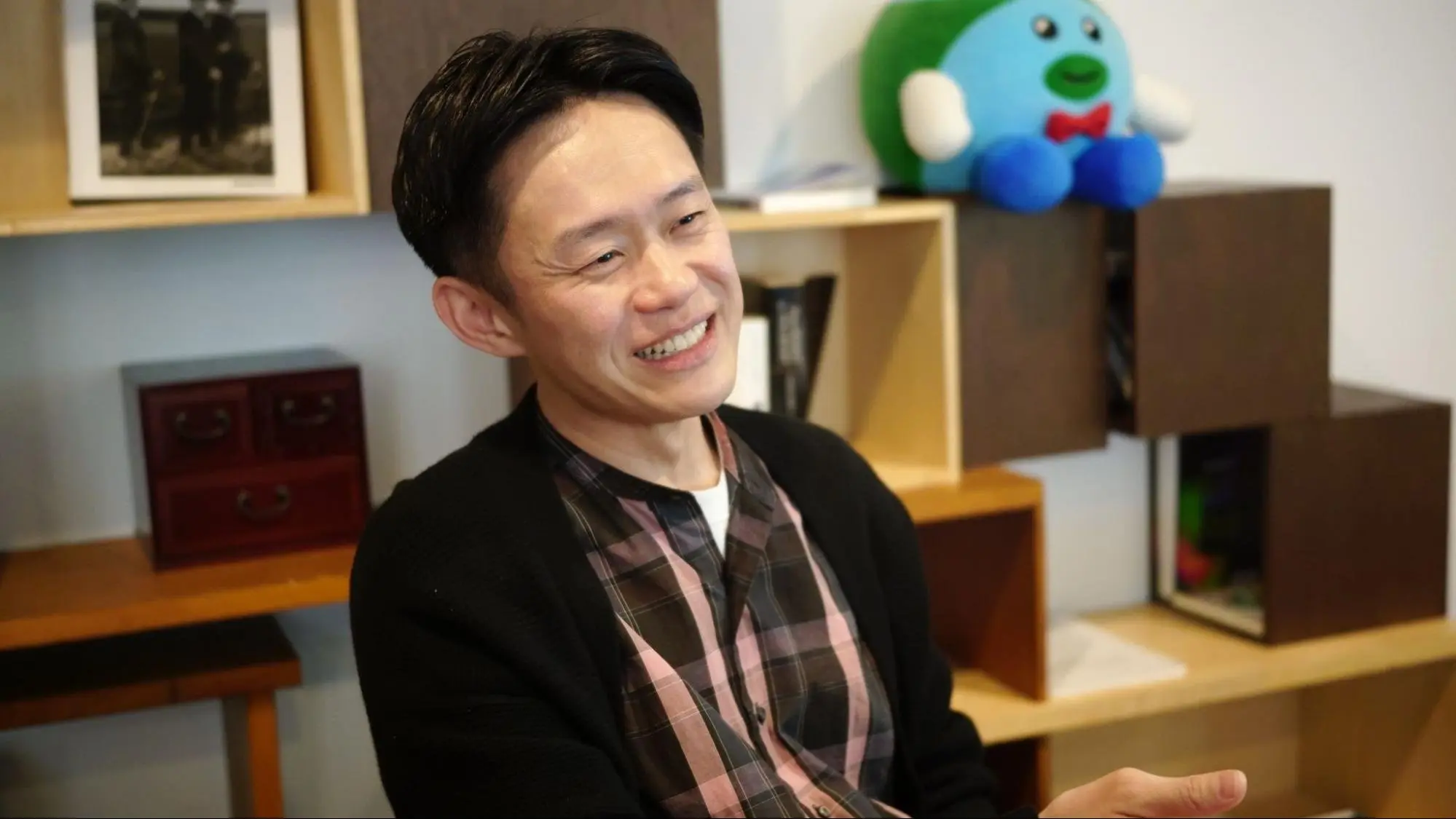
By showing up in such an unglamorous way, I eventually had managers calling my personal cell to discuss their team members' concerns. I learned then that people only open their hearts when you truly immerse yourself in their world. I supported them for nearly a year and a half, and somewhere along the way, my communication complex just vanished.
― You were doing work that required deep human connection—hard to imagine you once had a complex.
That’s true. As I completed projects and saw clients truly happy with the results, I think I naturally gained the confidence that allowed that complex to fade away.
Moving to SmartNews after BCG
― How did your career evolve after that?
I ended up with an opportunity to join Boston Consulting Group (BCG). I intended for it to be the final chapter of my consulting career.
Within a week of joining, I realized commuting was a waste of time and moved within walking distance of the office. The standards for output were overwhelmingly high.
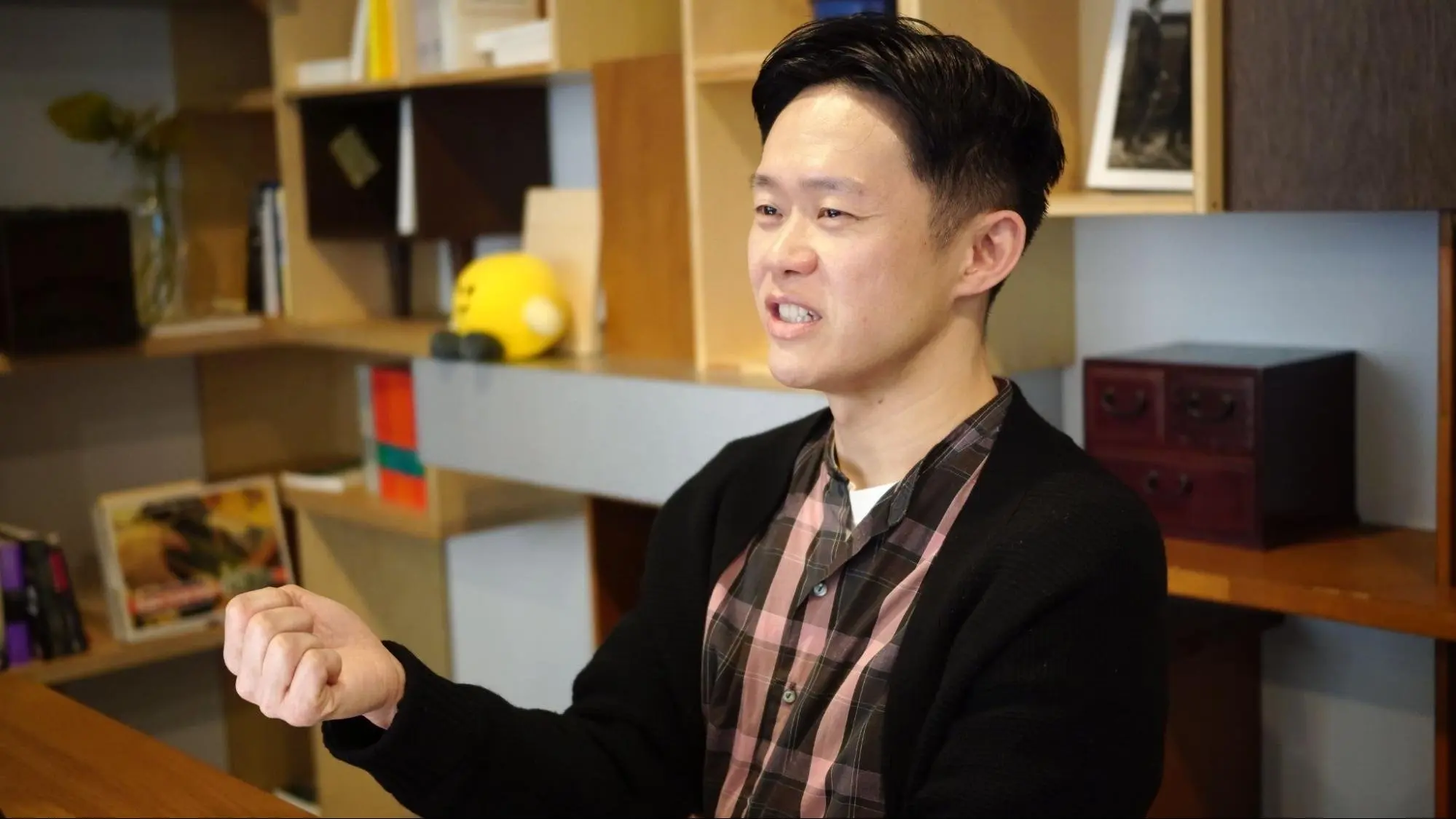
My superiors were brilliant and fast, and even the partners were deeply involved in the front lines. Every day was a relentless pursuit of delivering value that exceeded the client's highest expectations.
― That sounds incredibly demanding...
It was. But it trained me—both physically and mentally. I spent four years at BCG from the age of 37, and I began to feel a real sense of personal achievement.
Eventually, while looking ahead at future life events, I sought an environment where I could work sustainably while applying my experience within a business company. That’s what led me to SmartNews.
I’ll do anything—from handing out flyers to buying lunch
― Of all the companies you could have joined, why SmartNews?
There were several reasons, but primarily I felt it was a place where I could balance my life while utilizing everything I had built as a consultant.
What I realized after joining is that the people here are great. They are mature and incredibly sincere. There’s no internal politics or people trying to take credit for others' work; everyone is focused on the task at hand. That impression hasn't changed since the day I started.
― Was there a "gap" moving from consulting to a business company?
Not really. There is a strong culture of cooperation: "What do we need to do to make this project succeed?" I’ve never had anyone ask, "Why should I help you?" There’s a sense of unity and passion here that is unique to a business company.
― You were initially in the CEO's Office, correct?
Yes. One project that stood out was the "Roundtable Project." Our founder, and then-CEO Ken Suzuki wanted to sit down and talk directly with managers from every department. It was a tight schedule, so I coordinated everything. On the day, I even arranged the pizza to keep the atmosphere casual.
I remember one session where Ken hadn't had lunch yet. I ran to a shop nearby to grab him a rice burger. Later, he told me, "That rice burger was actually really delicious" (laughs). That was the first time I remember him praising me, and it made me quite happy.
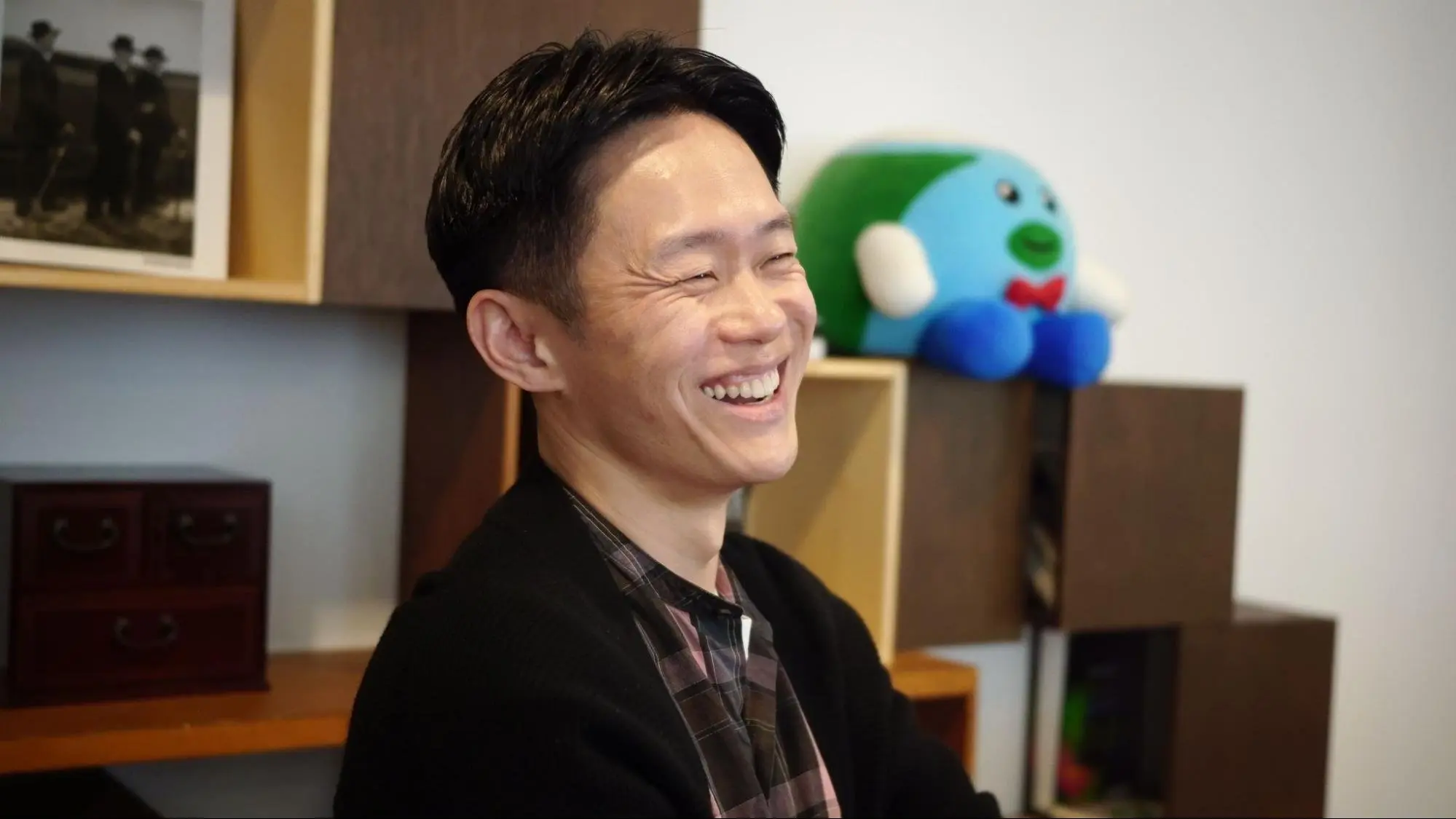
― That’s a heartwarming story! But did you feel any resistance to tasks like ordering pizza or buying lunch?
Not at all. Just like the turnarounds during my consulting days, I’ll do whatever it takes—handing out flyers or buying pizza—if it helps the team and makes the organization better.
If I can be a lubricant to smooth communication between management and the front lines, that is a "solution to a business issue" for me. I’ve never once thought, "Why am I doing this?" Even now, if I were asked at a happy hour, "Nishide-san, go buy some beer!", I’d go happily (laughs).
The "Passion of Face-to-Face" and Next-Generation Sales in the AI Era
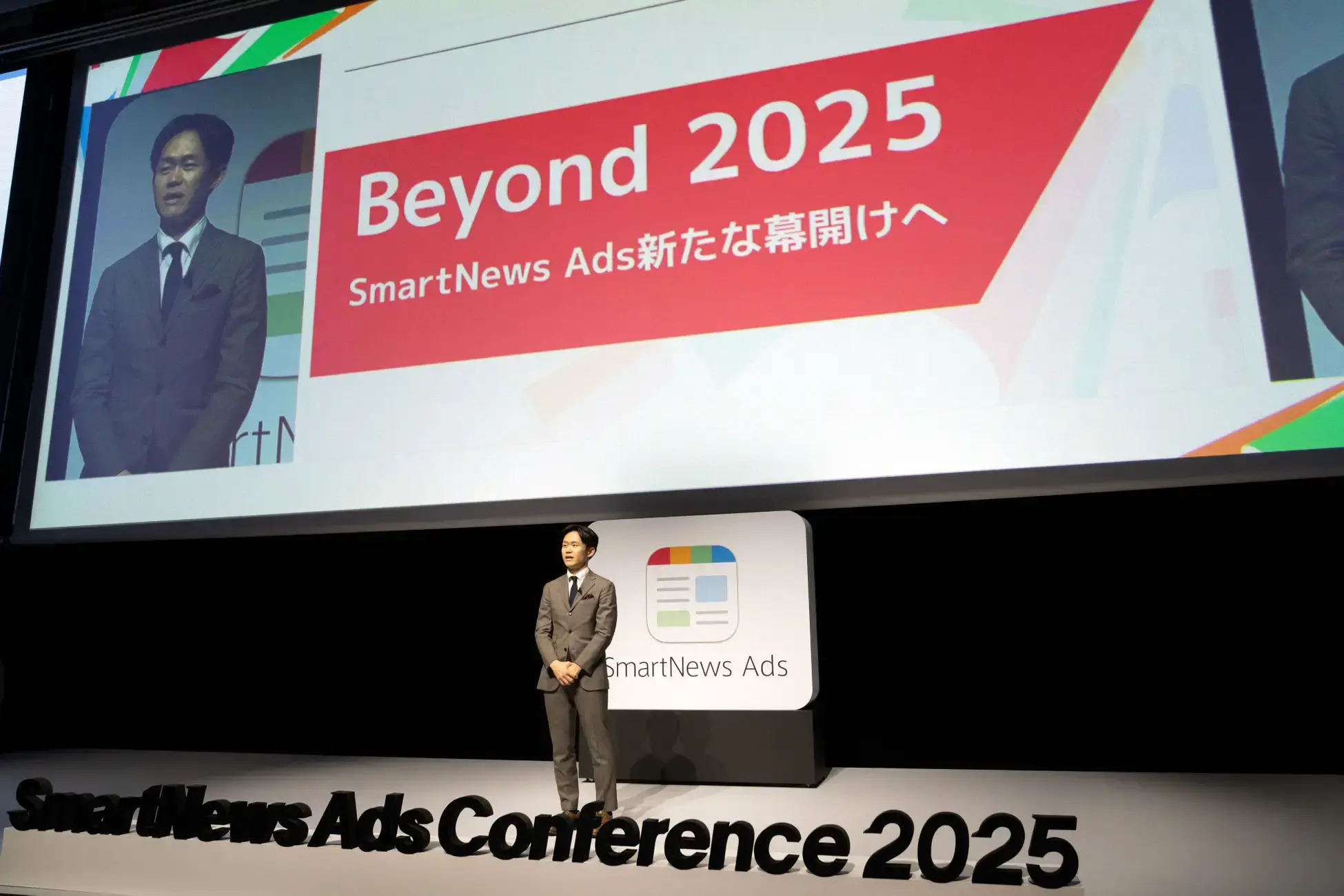
― Since becoming head of the advertising business, how does it differ from your time in project management?
I feel they are completely different. Projects have clear goals and roles, but organizations do not necessarily. The weight of being responsible for KPIs like revenue is immense, and more importantly, I’m now responsible for the careers and lives of my team members. It’s a new and challenging mission for me, but very rewarding.
― You’ve been a strong advocate for RTO (Return to Office), making three days a week the standard. That was a major decision, wasn't it?
Yes. There were many opinions, but I had a conviction. Simply put, it's about building "passion" as an organization. When a team works toward a goal as one, I think it is a matter of course for people to see each other's faces.
Clashing opinions, rejoicing together, and sometimes cracking jokes—I believe that the heat generated from human connection is what moves an organization forward. That energy isn't born in a remote environment. Beyond the business benefits, I believe this is how an organization should be.
― Finally, please tell us about the appeal of ad sales at SmartNews and the type of person you are looking for.
In the AI era, the role of media is being redefined. Our mission is to "deliver the world’s quality information to the people who need it," and how we develop our ad business within that is a vital question.
We want to prove that "ads are also valuable content for users." I’m proud that only SmartNews, with our blend of technology and media, can truly achieve this.
In our sales team, we are pursuing a new era of sales styles, where representatives use AI to automate routine tasks and focus on essential human activities.
Even when faced with unprecedented issues, I want to work with people who can face problems with grit and enjoy that "enthusiasm" together.
Planning / Interview = Talent Acquisition, Operations (Ogasawara)
Text / Editing / Photography = Inside SmartNews Editorial Team (Hanai)